
 (330) 437-5795

At Frontline Animal Removal, we see many raccoon and squirrel problems across the Canton, Akron, and Kent, Ohio area, and a surprising number of them trace back to the same underlying issue: clogged gutters. When gutters stop doing their job, the roof structure starts to weaken. Once that happens, animals are quick to take advantage.
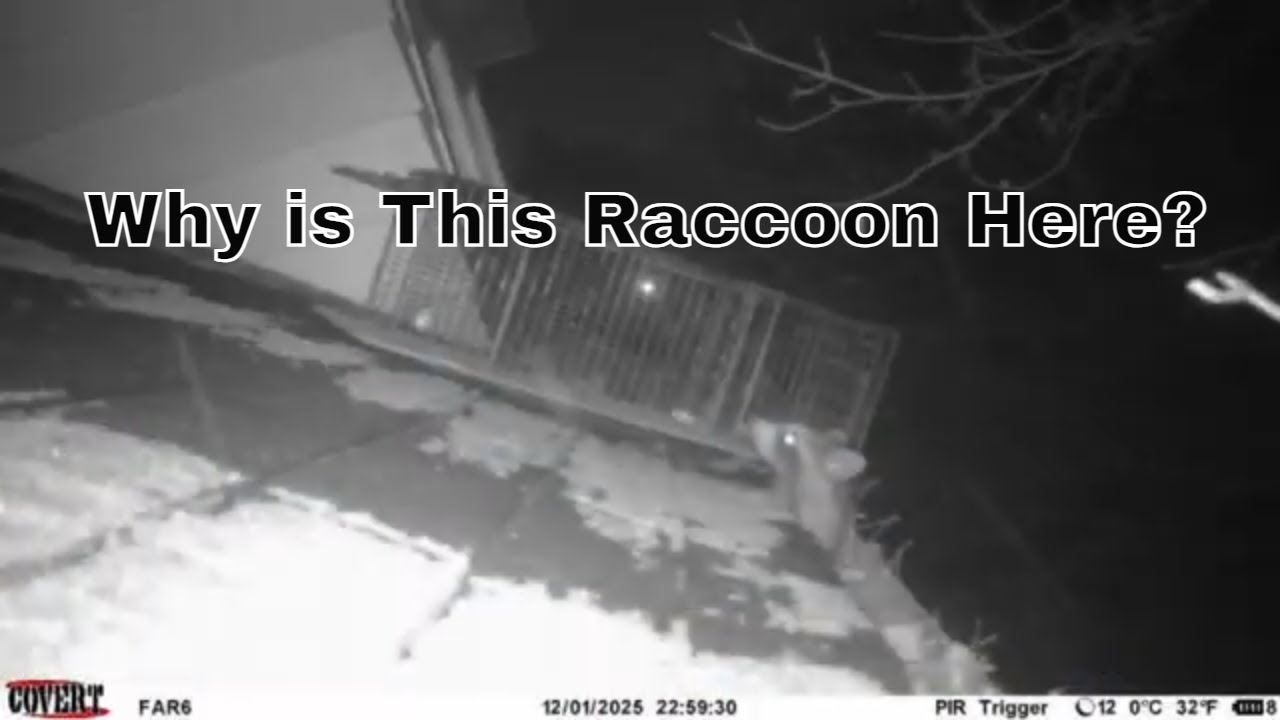
This week, we’re on a job where a raccoon enters a home through a hole at the fascia—tucked right behind the gutter.

The root cause isn’t just the raccoon. It isn’t even just wood rot. The real beginning of the chain of events is poor gutter maintenance.
Let’s break down how a simple gutter problem becomes an animal problem—and how we solve it.
How Clogged Gutters Create Wildlife Entry Points
Gutters help move water away from the upper parts of a house—fascia boards, soffits, and roof edges. When they clog, several damaging things happen at once:
1. Overflow Leads to Rot
Clogged gutters overflow at the edges. When water repeatedly spills overflows gutters, it saturates wood (fascia boards and roof decking) in the area. Over time:
- Paint peels
- Wood softens
- Rot develops
- Gaps form
Weak wood is exactly what raccoons, squirrels, and birds are looking for.
2. Heavy Gutters Pull Away from the House
Water is heavy.
Ice is heavier.
Water + ice + debris is very heavy.
When a gutter stays full, it strains the fasteners that hold it to the fascia. Eventually, the gutter:
- Sags
- Separates from the fascia
- Exposes seams
- Opens gaps behind itself
Animals immediately notice these gaps.
What starts as a half-inch separation can quickly become a fist-sized hole—especially when curious squirrels or persistent raccoons get involved.
3. Wood Rot + Chewing = Big Openings
On this week’s job, the fascia behind the gutter is:
- Rotted from years of overflow
- Softened from moisture
- Gnawed by squirrels from past seasons
- Finally torn open by a raccoon
This situation didn’t happen overnight. It is the classic example of a problem that has been building for years.
Today’s Job: A Raccoon in the Attic
In the following video, Ryan responds to a homeowner hearing noises overhead. Once he’s on the ladder, the issue becomes clear immediately: a large hole behind the gutter gives direct access into the attic.
A raccoon has moved in, and Ryan places a trap to capture it.
But as he explains, the signs tell a much longer story:
- Old chew marks
- Bird nesting debris
- A fascia board that has been wet and weakened for years
- A gutter sagging under its own weight
This roof edge has been “on the menu” for wildlife for a long time. The raccoon is just the most recent visitor.
How Frontline Animal Removal Solves the Problem
Fixing this kind of situation requires two skill sets:
- Animal removal
- Structural repair
The process typically looks like this:
Step 1: Remove the Raccoon
We trap and remove the raccoon causing the immediate problem. Once an animal is using an attic as a den, simply patching the hole won’t work. They will try—sometimes aggressively—to get back in.
Step 2: Open Up and Remove Damaged Material
After the raccoon is trapped, Ryan or another contractor should remove:
- The gutter
- The trim
- The rotted fascia
- Any animal debris or nesting material
Step 3: Rebuild the Area Properly
For prevention of future problems the damaged sections need replaced with solid material. The gutter needs to be solidly attached. Unless everything is tightly sealed, other nuisance wildlife may return.
When repaired right:
- Water flows where it should
- Gutters stay secure
- No structural weakness remains
- The wildlife problem ends for good
Preventing This Problem Starts With Gutter Maintenance
We can’t stress this enough:
Routine gutter cleaning is the first line of defense against raccoons, squirrels, and birds entering a home.
When gutters stay clear:
- Water drains properly
- Fascia stays dry
- Ice load is reduced
- Gutter fasteners aren’t strained
- Structural openings never develop
A $0 hole never has a chance to turn into a costly repair.
A Simple Habit That Saves You a Lot of Trouble
Most wildlife entry points we see at fascia boards, roof edges, and behind gutters were preventable. Once water damage and animal damage combine, the repair becomes more complex—but it’s still fixable.
If you’re hearing noises in your attic, seeing gutter sag, or noticing staining on the fascia, the time to act is now.
Frontline Animal Removal handles both wildlife removal and the repairs needed to fix the damage.
We serve Stark, Summit, and Portage Counties, and we’re ready to help solve the immediate problem and prevent it from returning.