
 (330) 437-5795

Spring is one of the busiest times of the year for raccoon removal in the Canton, Akron, and Kent areas. At Frontline Animal Removal, we spend much of the spring helping homeowners who suddenly discover that a mother raccoon has moved into their home and given birth to a litter of baby raccoons.
While every situation is a little different, there is one trapping technique that can make a raccoon removal job much quicker and more efficient when the circumstances are right: using the baby raccoons to lure the mother into a trap.
Why Spring Is Baby Raccoon Season
Female raccoons are actively searching for safe denning locations during late winter and early spring. Unfortunately, many homes provide exactly what they are looking for. Chimneys, attics, wall cavities, soffits, and roof voids offer protection from weather and predators, making them attractive places to raise a family.
Once the babies are born, the mother spends much of her time caring for them. Because of the strong bond between a mother raccoon and her young, wildlife professionals can often use that behavior to their advantage during removal efforts.
If you would like more background information about removing mother raccoons and their babies from homes, be sure to read our earlier article:
Baby Raccoon Removal in Akron, Canton, and Kent
That post covers many of the challenges associated with spring raccoon removals and explains why finding all of the babies is so important.
A Recent Job Example
Recently, Ryan responded to a home where a raccoon had taken up residence behind a chimney.
The entry point was a rotten chimney saddle. A chimney saddle (or chimney cricket) is a structure installed behind a chimney to divert water around it and toward the roof’s drainage system. Over time, water damage had caused the saddle to deteriorate, creating a weakness a mother raccoon found. She easily made a hole large enough for her to enter.

When Ryan inspected the area, he found exactly what he suspected: a mother raccoon and several baby raccoons living inside the damaged structure.
As often happens during these jobs, the mother raccoon quickly exited the den when discovered and managed to avoid immediate capture. The babies, however, were still very young and unable to escape.
Ryan carefully gathered the baby raccoons by hand and removed them from the den. At this point, many wildlife removal jobs can become more complicated if the mother disappears for an extended period of time.
Fortunately, there is a highly effective solution.
Watch the video description here:
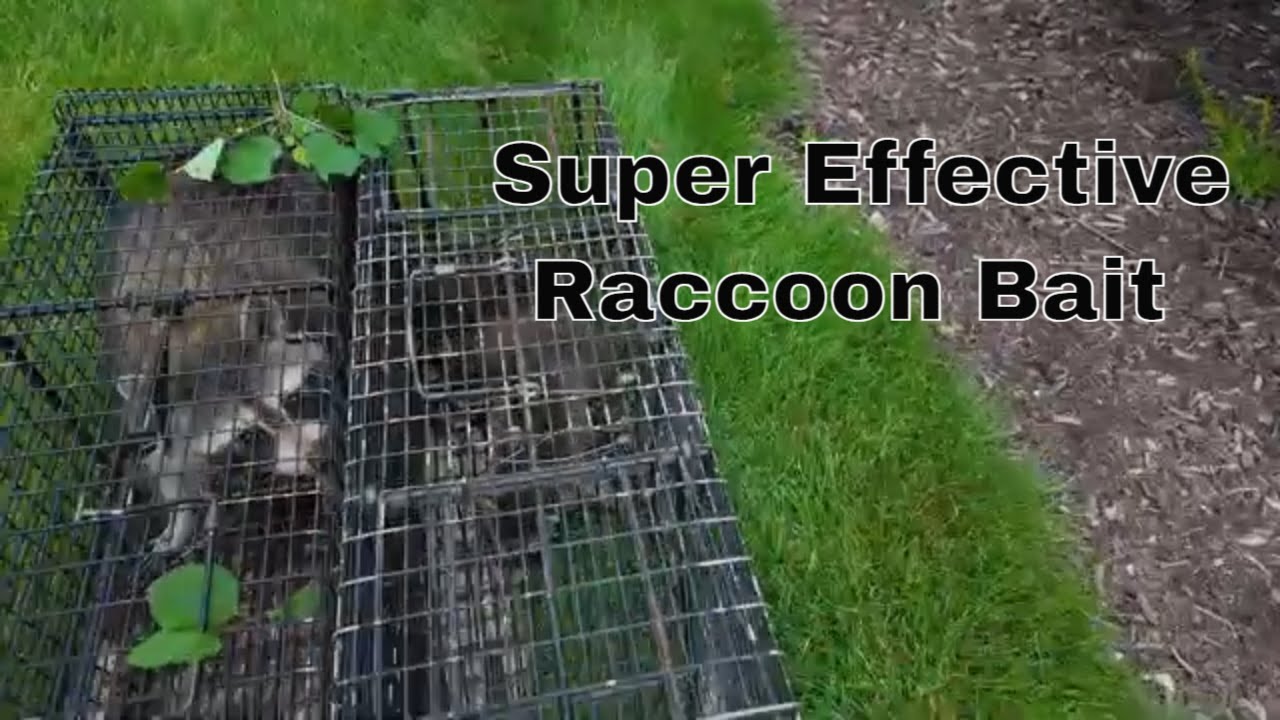
Using Baby Raccoons as a Natural Lure
Once the babies were safely collected, Ryan placed them inside a secure, closed trap. That trap was then attached to a second open trap intended for the mother raccoon.
No food bait was needed.
The babies themselves provided all the attraction necessary.
A mother raccoon is extremely motivated to reunite with her young. When she returned to the area and heard the vocalizations of her babies, she immediately attempted to reach them. The only path available led through the open trap.
The result was exactly what we wanted.
The mother entered the trap and was captured quickly and efficiently.
Within a short period of time, the entire raccoon family had been safely removed from the home.
Why This Method Works So Well
When the babies are young enough to be safely gathered, this technique is often one of the fastest methods available for spring raccoon removals.
Some of the advantages include:
- Quick capture of the mother raccoon
- Reduced time spent trapping
- Removal of the entire family unit
- Less chance of orphaned babies being left behind
- Faster resolution for the homeowner
Of course, every situation is different. Not every raccoon den allows easy access to the babies, and not every removal job follows the same pattern. Professional judgment is important when determining the best approach.
The Importance of Finding Every Raccoon
One of the biggest mistakes homeowners make is focusing only on the adult raccoon.
During spring, removing the mother while leaving the babies behind creates serious problems. The young raccoons can die inside walls, attics, chimneys, or other hidden spaces, leading to odor issues and additional complications.
That is why our goal is always to locate the den, identify all occupants, and remove the entire family whenever possible.
As Ryan often says during these spring jobs, the key is simple:
Gather them all.
Preventing Future Raccoon Problems
Once the raccoons are removed, it is important to repair the entry point that allowed them access in the first place.
In this case, the rotten chimney saddle that created the opening needs to be repaired to prevent future wildlife intrusions. Raccoons are constantly searching for weak spots, water-damaged wood, and existing openings that allow easy entry into a structure.
Proper repairs are just as important as the trapping itself.
Need Help with Spring Raccoon Removal?
If you hear noises in your chimney, attic, walls, or roof area this spring, there is a good chance a mother raccoon may have established a den inside your home.
Frontline Animal Removal provides professional raccoon removal, wildlife exclusion, and repair services throughout Stark, Summit, and Portage Counties, including the Canton, Akron, and Kent areas.
Whether the problem involves a mother raccoon with babies, a damaged chimney saddle, an attic intrusion, or another wildlife issue, we can inspect the situation, remove the animals, and repair the damage to help keep them from coming back.
Spring raccoon removals can present some unique challenges—but when the babies can be located and safely gathered, using them to lure the mother into a trap can be one of the quickest and most effective solutions available.